The Wyman-Gordon Power Plant

“Keep your eyes peeled for tall red brick smokestacks, as there’s often something quite wonderful at the bottom. . .”
-Jeff Chapman

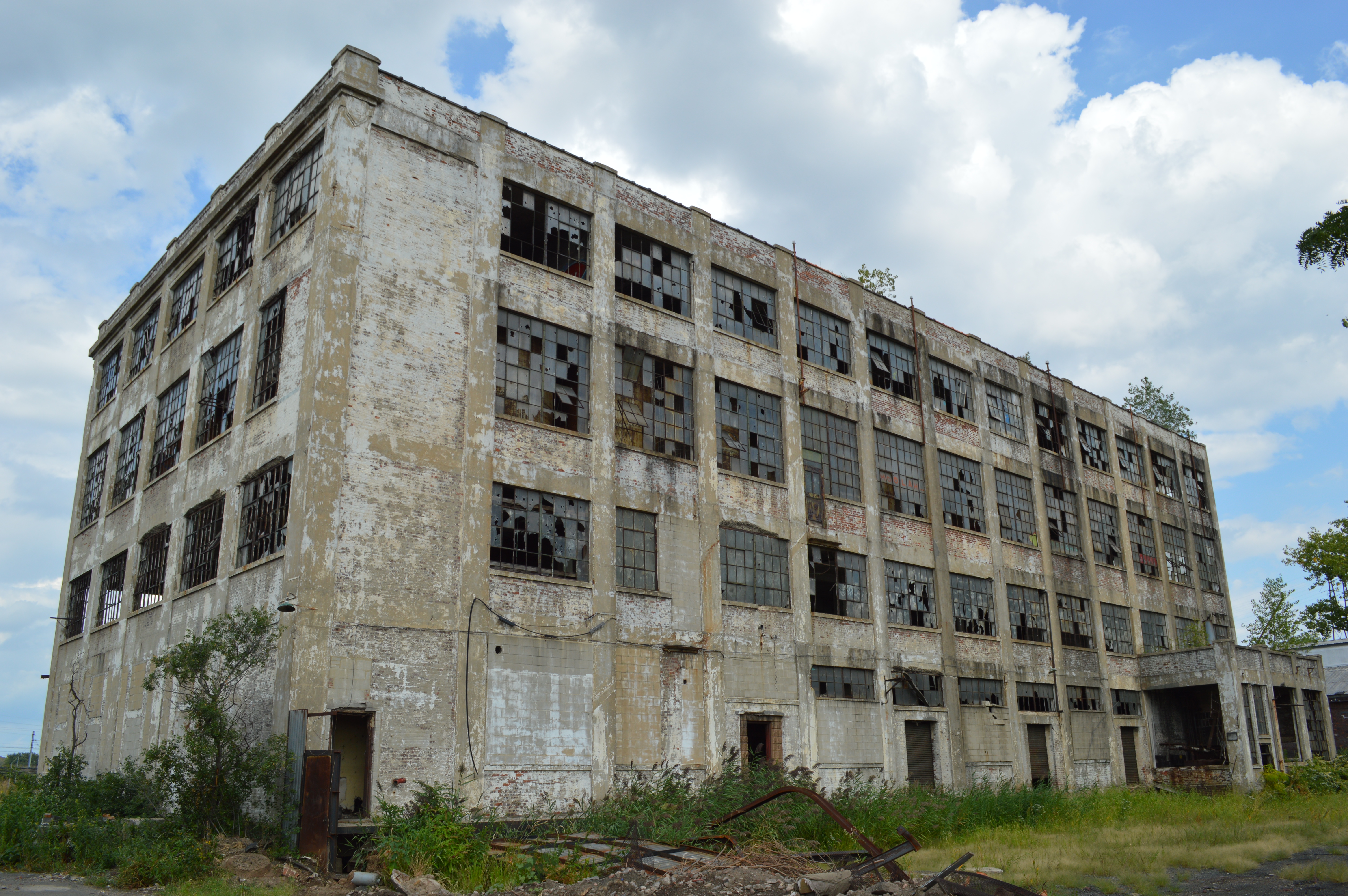
The Wyman-Gordon Power Plant once powered the massive Ingalls-Shepard Forging Company, which started out manufacturing parts for the auto and railroad industries. Built in 1910, the massive factory was sold to the Wyman-Gordon Company in 1920. During World War One and World War Two, what they now called the Ingalls-Shepard Division Factory  turned its industrial might to the war effort, and was in turn given dismantled German technology. The company claims to have produced more parts for the war than any of its competitors. In 1986, economic hardship forced the Wyman-Gordon Company to shut the factory down. Only two buildings of the once sprawling factory remain, the power plant and an occupied building across the street.

DSC_0140 

It would be an overstatement to call what surrounds the Wyman-Gordon Power Plant a “fence”. The tattered, rusty, chain link is filled with holes and embarrassingly easy to walk right through. The building is mostly void of windows, but there were a few leading to the offices, and after a short climb, i was in.
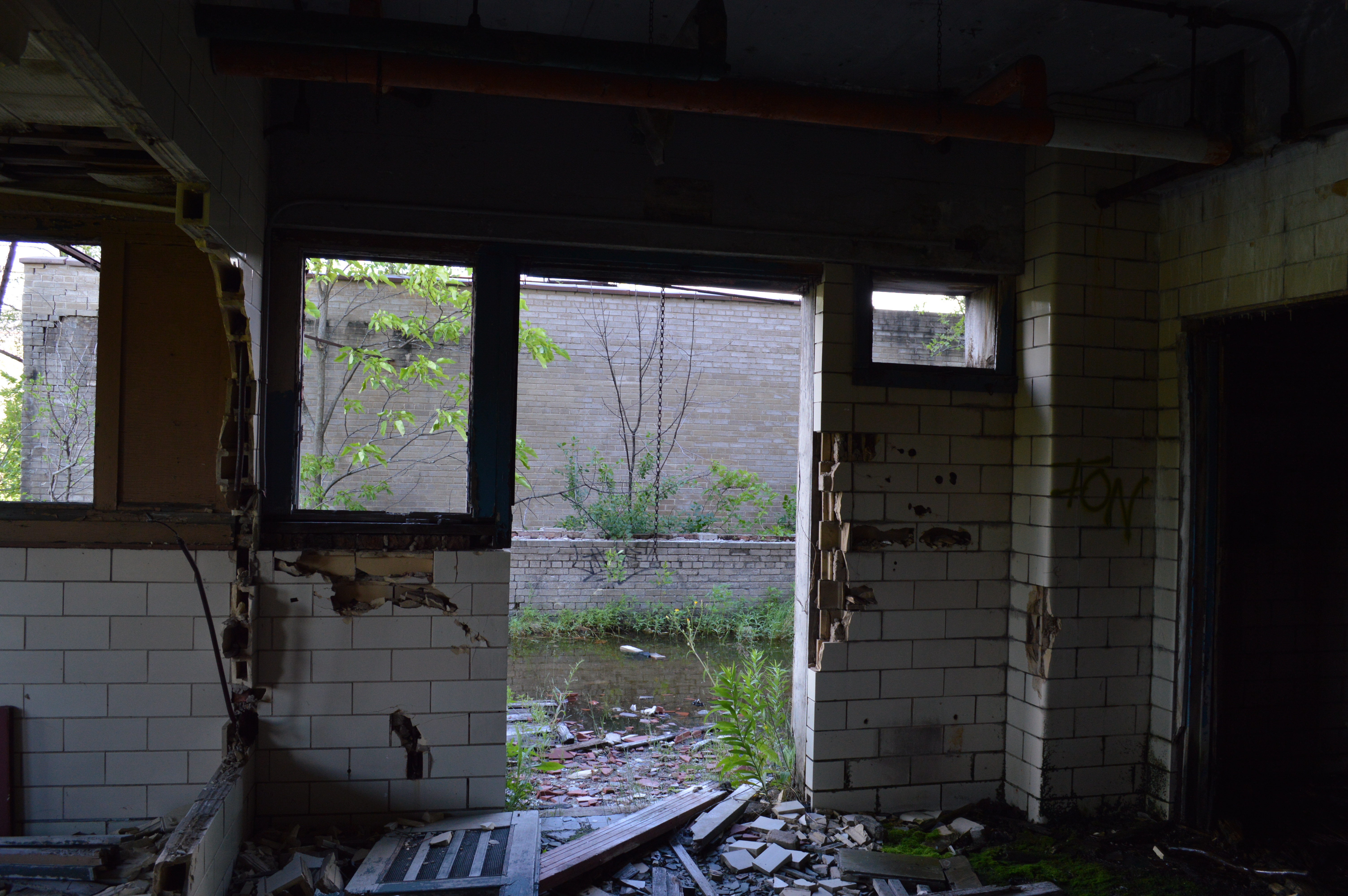
DSC_0150  After climbing up the ledge, it wasn’t all that hard finding a way in

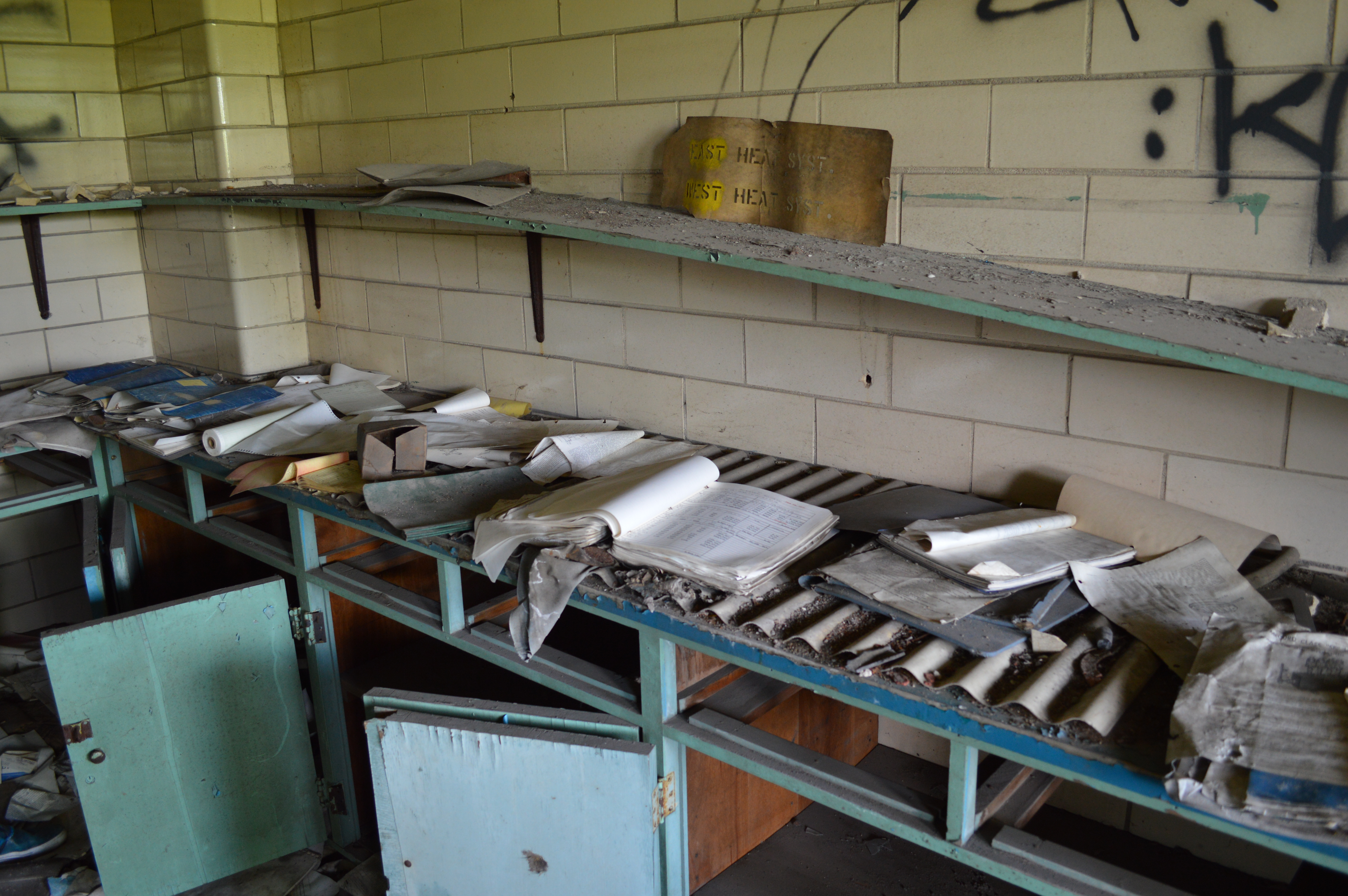
The offices were still in decent condition, with paperwork, binders, and ledgers rotting away on the crumbling desks. Reading a few of these papers helped me see what it was like back when this was still a hub of industry. One detailed a deal between a loading crane manufacturer and the Wyman-Gordon company, and a binder in the center of the room held inventory of replacement parts.
DSC_0182
The offices had seen better days, but there were still legible records all around.

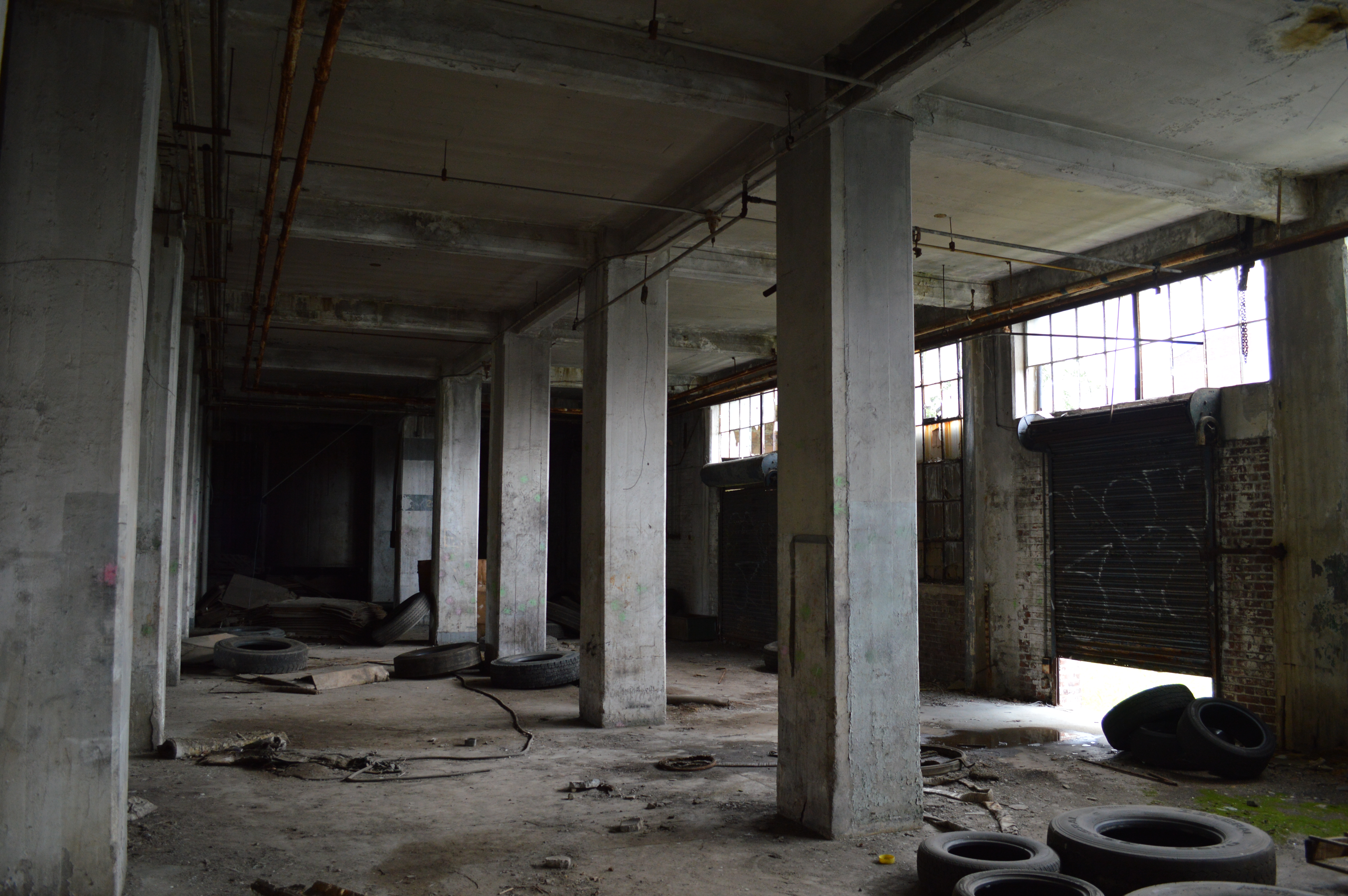
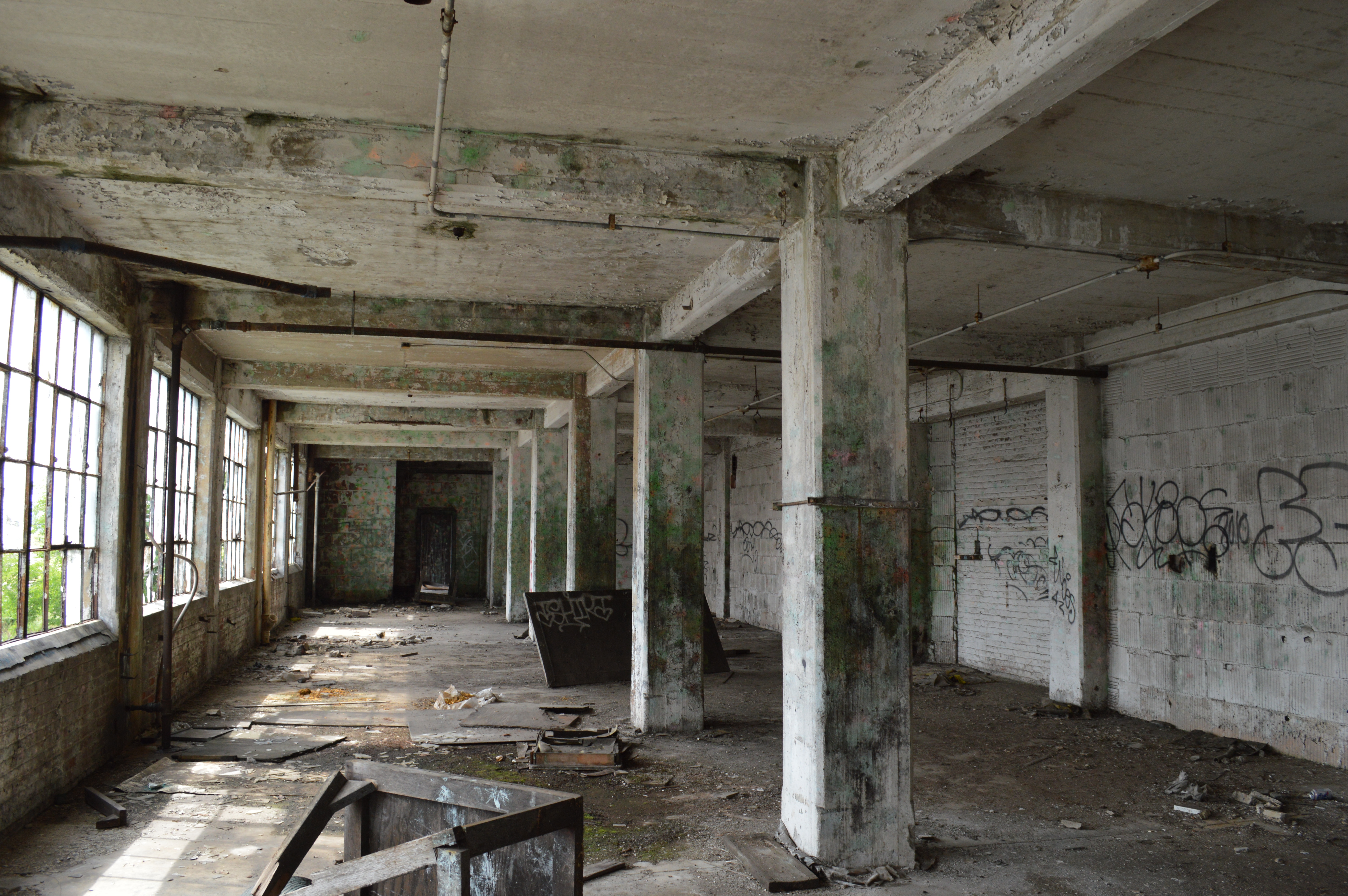
Leaving the offices, i entered the heart of the Wyman-Gordon Power Plant .The main rooms were wet from a recent storm, and well ventilated, but the floors of some of the side rooms and hallways had a dry asbestos insulation piled a foot deep in some places. After pointing my camera into the dark, taking a photo with flash on, and examining it, i found out the stuff i was walking on wasn’t the normal abandoned building mud and grime. Yuck!

ValmontReichl_01
Still water in one of the main rooms of the power plant
DSC_0175
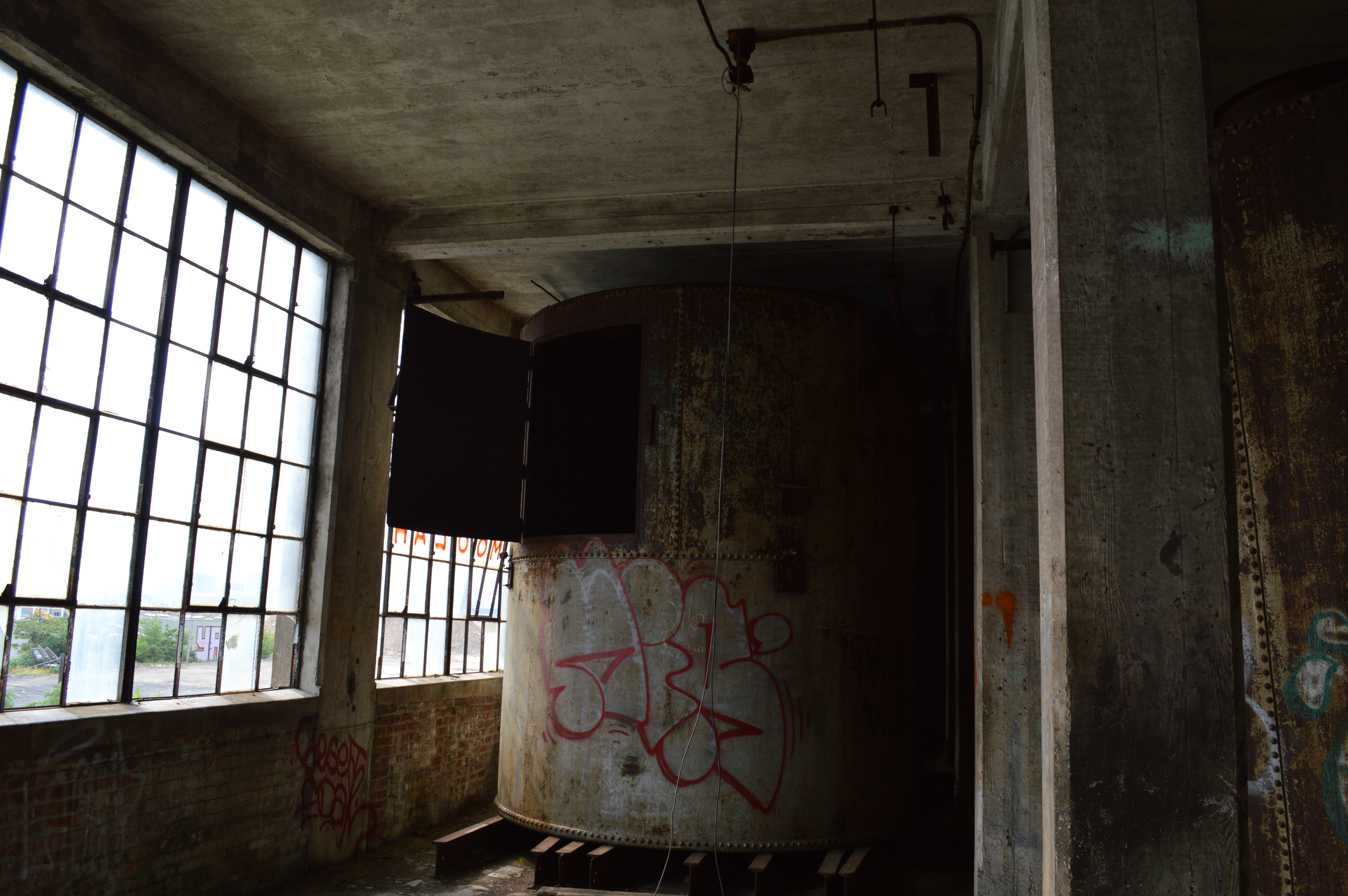
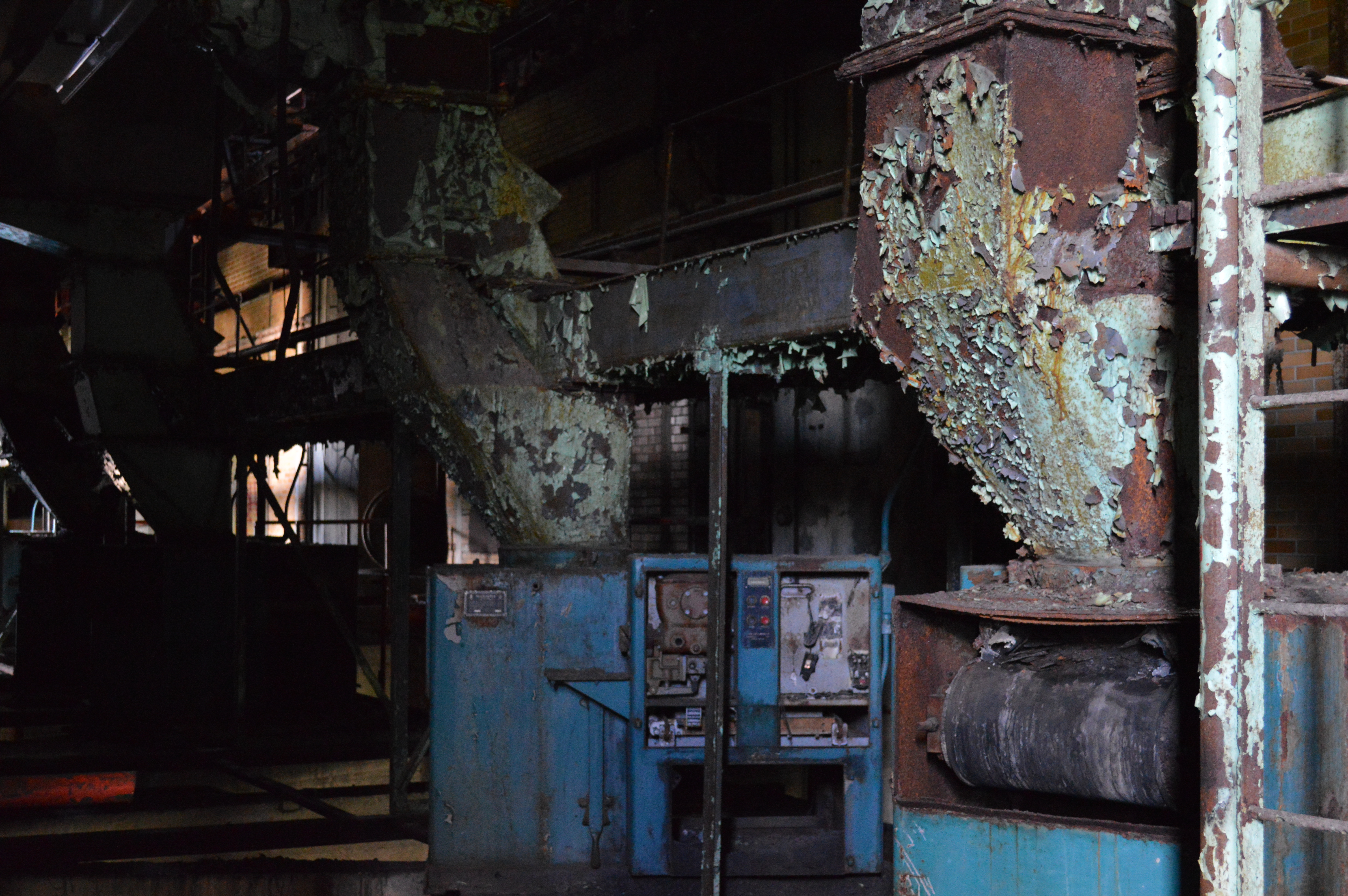
Machinery rusts away in the dark

I could have explored the Wyman-Gordon Power Plant all day if given the chance. However, a man on a bike circling the building made me cautious, and i decided to beat a hasty retreat in case he decided to call up some friends and score himself a new (and free!) camera.
DSC_0171
The inside of the power plant is a mess of rusted machinery

The Wyman-Gordon Power Plant is a EPA Brownfields site. Although the main rooms are ventilated, open, and probably safe, anyone going to the Wyman-Gordon Power Plant without a respirator should be careful and avoid areas with clear signs of asbestos. The metal walkways have been taken for scrap, and I fear that it is only a matter of time before the last remnants of the once proud Ingalls-Shepard Division Factory are gone forever. 

Thanks for the read!

The McMyler Coal Unloader

The early 1900s, the sheer amount of coal needed for industry and other applications around the NYC and NJ area got inventors and industrialists thinking. Supplying the area with coal was no easy task, as it had to be unloaded from train cars and reloaded into barges, which would sail for wherever the coal was needed. Eventually, someone got to thinking about how to make this process faster and easier, and in 1917, the McMyler Coal Unloader was built on the shores of Arthur Kill in NJ. The way that this coal unloader went about its job was extraordinary: a loaded train car would be lifted into the air and flipped over, dumping the coal into a funnel, which would pour it into a waiting barge. It was only operated by 12 men, and could unload a railway car every 2.5 minutes. The Unloader was so efficient and timely that all other coal unloaders in the area were shut down. The McMyler Coal Unloader continued to faithfully supply coal to the industries of the NY/NJ area until its closure in 1983. Now its rusty hulk still stands tall, way out on the end of a crumbling concrete pier. 

DSC_0534

It was a long walk down the pier where the Coal Unloader stands. I finally reached the base of the towering structure, unstuck the thorny vines from my pants, and entered the machine room.

DSC_0484
Huge machines inside the heart of the McMyler Coal Unloader

The machine room’s floor was covered with coal dust and flakes of rusty metal. There were multiple massive wheels, which i believe turned to pull the train car up and dump it out. It’s hard to imagine the amount of power and the sheer size and strength of machines needed to lift a train car off the ground. The machine room was lacking any kind of controls, and the stairs to the operator’s box had been removed.

DSC_0490The Machine Room from outside

Sadly, even though this structure was built to last, strong winds from the multiple hurricanes that have hit the northeast recently have caused multiple parts of the loader to collapse. I can only hope that someone with the know-how and funding can save this piece of America’s industrial history before it collapses into Arthur Kill. 

DSC_0509  The funnel that dumped coal into barges has collapsed 

Newark Denaturing Plant

On The shores of the polluted Passaic River, on a plot of city owned land, sits a small abandoned factory. Back in its day, it was owned by International Metallurgical Services, and was most likely used to produce ethanol for the company’s other, more metallurgical uses. One aspect of the ethanol production that went on here was the addition of highly toxic methanol, which can cause damage to the central nervous system. Clearly this factory was using quite a lot of toxic chemicals, as it is is now an EPA brownfields site due to contamination by it’s many years of industrial discharge. There is little information on the history of this factory. Please contact me if you have more details.
DSC_0562

My exploration of the building started with a quick look for entry points, of which there turned out to be many. Passing a fallen stack of tires that i assume were intended to block out explorers like me, i proceeded into the dark remains of a reception area and offices. Past here was the loading dock, where trucks would pull up to load and unload materials and finished product.

DSC_0473
Old tires in the floor of the loading bay

Next, it was up the crumbling stairs to floor 2. Floor 2 was void of machinery and other significant objects, so it was probably used for storage, or maybe packaging There were some areas of floor 2 that were fenced off, I have no idea why…

DSC_0486
Floor 2 gloom

DSC_0492
Floor 2 Hallway

Floor 3 was filled with multiple, huge vats, packed tightly together in a confined space. Navigating these vats was like solving a maze, walking over old boards that previous explorers had left behind as makeshift bridges over uneven floors. Eventually, the seemingly endless vats ended, and I reached a small, open space.

DSC_0517
There were many more massive vats behind this one

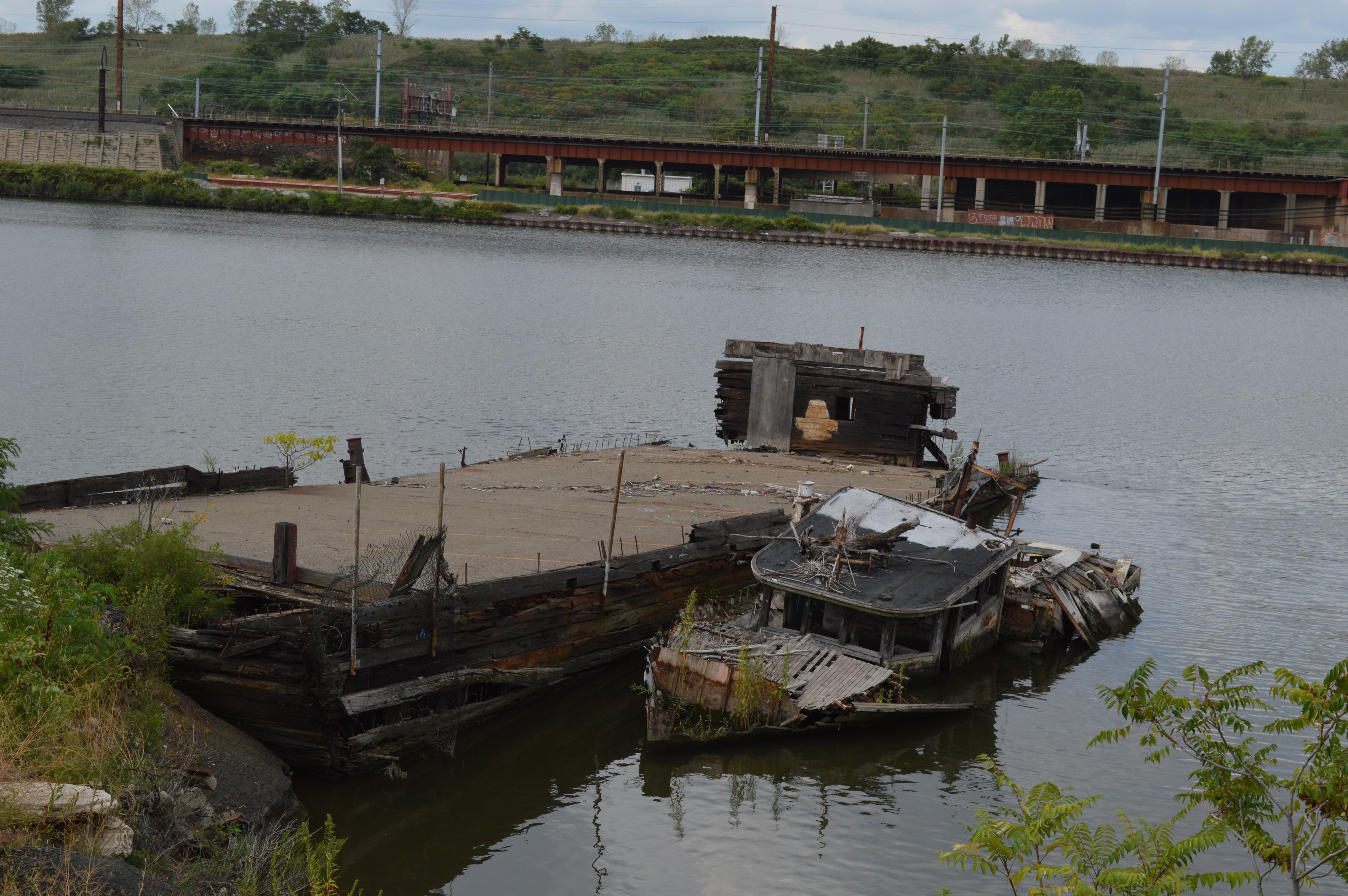
Floor 4 had some ruined furnishings, including shelves and strange machines that i couldn’t figure out at all. After taking some more photos and trying(unsuccessfully) to find a way to the roof, i headed back down the stairs and out of the building. Right outside are a sunken barge and tugboat, which probably served together ferrying trucks and cars along the river. Now they rest together, rotting away into the foul mud of the Passaic.

DSC_0505
Tugboat and barge

If you plan to visit the Newark Denaturing Plant, please wear a respirator, gloves, and other safety equipment. The chemicals used in manufacturing here are nowhere near gone.

Thanks for the read!