The McMyler Coal Unloader

The early 1900s, the sheer amount of coal needed for industry and other applications around the NYC and NJ area got inventors and industrialists thinking. Supplying the area with coal was no easy task, as it had to be unloaded from train cars and reloaded into barges, which would sail for wherever the coal was needed. Eventually, someone got to thinking about how to make this process faster and easier, and in 1917, the McMyler Coal Unloader was built on the shores of Arthur Kill in NJ. The way that this coal unloader went about its job was extraordinary: a loaded train car would be lifted into the air and flipped over, dumping the coal into a funnel, which would pour it into a waiting barge. It was only operated by 12 men, and could unload a railway car every 2.5 minutes. The Unloader was so efficient and timely that all other coal unloaders in the area were shut down. The McMyler Coal Unloader continued to faithfully supply coal to the industries of the NY/NJ area until its closure in 1983. Now its rusty hulk still stands tall, way out on the end of a crumbling concrete pier. 

DSC_0534

It was a long walk down the pier where the Coal Unloader stands. I finally reached the base of the towering structure, unstuck the thorny vines from my pants, and entered the machine room.

DSC_0484
Huge machines inside the heart of the McMyler Coal Unloader

The machine room’s floor was covered with coal dust and flakes of rusty metal. There were multiple massive wheels, which i believe turned to pull the train car up and dump it out. It’s hard to imagine the amount of power and the sheer size and strength of machines needed to lift a train car off the ground. The machine room was lacking any kind of controls, and the stairs to the operator’s box had been removed.

DSC_0490The Machine Room from outside

Sadly, even though this structure was built to last, strong winds from the multiple hurricanes that have hit the northeast recently have caused multiple parts of the loader to collapse. I can only hope that someone with the know-how and funding can save this piece of America’s industrial history before it collapses into Arthur Kill. 

DSC_0509  The funnel that dumped coal into barges has collapsed 

Fort Montgomery

In these days, its hard to ever imagine that the USA was vulnerable to a full scale invasion from an imperial power throughout much of it’s history. In the 1700s and 1800s, the country’s main threat was also its oldest: Great Brittan. Great Brittan had already proven its hostility to the new nation in the War of 1812, and it also threatened to ally with the Confederate states during the Civil War. The constant fear of invasion from British Canada led the US government to build a fort on the border at Lake Champlain. It was named Fort Montgomery, after a Revolutionary War hero who died fighting the British in Quebec. Construction of the fort began in 1844, on the site of a previous fort from 1816, and ended in the 1870’s. Much of the fort was built during the Civil War, when fear of an attack from British Canada was at its peak. Now, just like the hostilities that led to it’s creation, Fort Montgomery is long forgotten.

DSC_0164
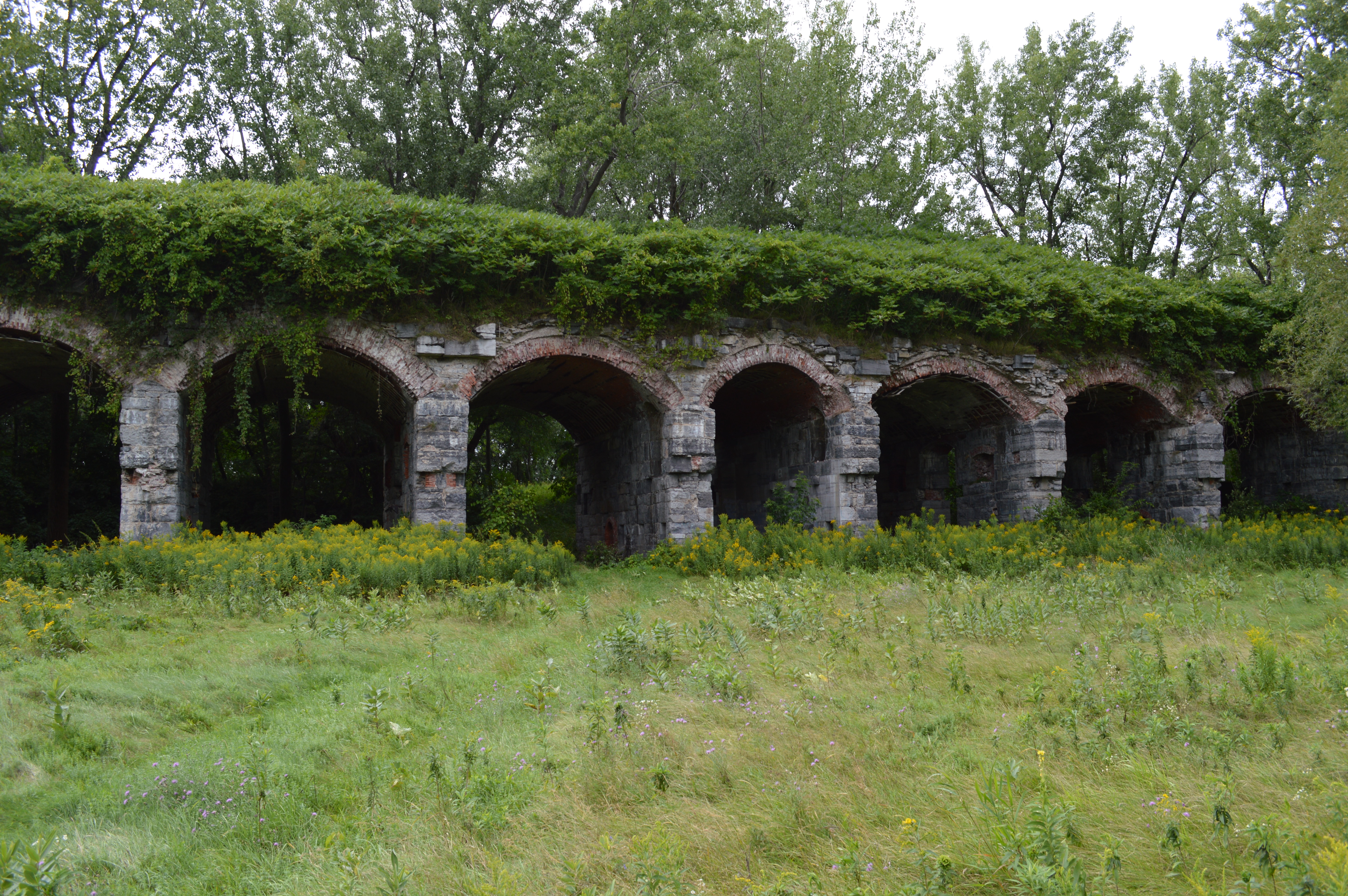
Beautifully hand cut stone composes the outer wall of the fort

It’s a long trek through mosquito-filled swamp to reach the island that holds the ruins of Fort Montgomery. After crossing a gravel land bridge that connects the fort’s island to the mainland, I began to see ruined stone pieces, and eventually one of the walls looming over the mote. The first part of the fort I encountered was a long series of arches, containing the remains of supply cabinets as well as slits in the wall, through which rifles could be aimed.

DSC_0174
The back archways, viewed from the center of the island

DSC_0155
Through the door and into the main halls of the fort

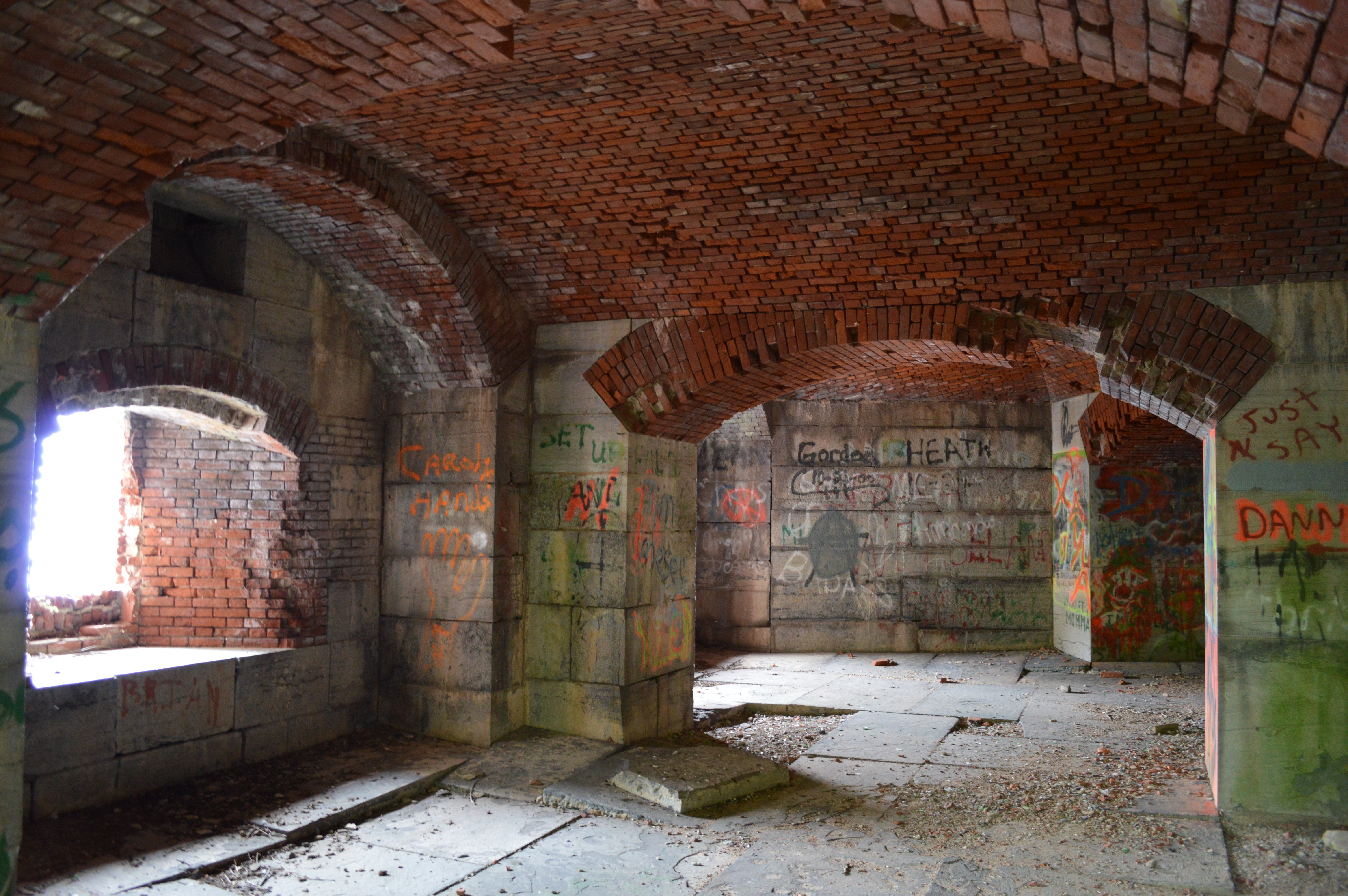
The first thing I noticed when i entered the main hallways was the evenly spaced windows looking out on a spectacular view of Lake Champlain. These windows, while framing beautiful views today, once were the openings for massive artillery pieces. Back in the day, the fort held 125 of these massive guns. The next thing I noticed was much less sinister: an extremely ornate brick roof with gentle arches(even though it was unnerving to see it on the verge of collapse.) Its strange that a place designed for war would have had such amazing architecture and design.

DSC_0157
The inner fort, showing the gun windows, elaborate masonry, and brick ceilings

DSC_0169
The once spectacular halls of the fort are now dark and gloomy

The fort was in very poor condition. There were many places on the second floor where i did not walk, as the floor appeared to be ready to collapse at any moment. It was not uncommon for me to have to crawl under and over fallen debris from previous collapses. I hope that someone preserves this beautiful work of architecture and important piece of history.

DSC_0175
Fort Montgomery from outside

If you decide to visit Fort Montgomery, please watch your step through the crumbling ruins. There is also an abundance of poison ivy on the way to the fort.

Thanks for the read!

Newark Denaturing Plant

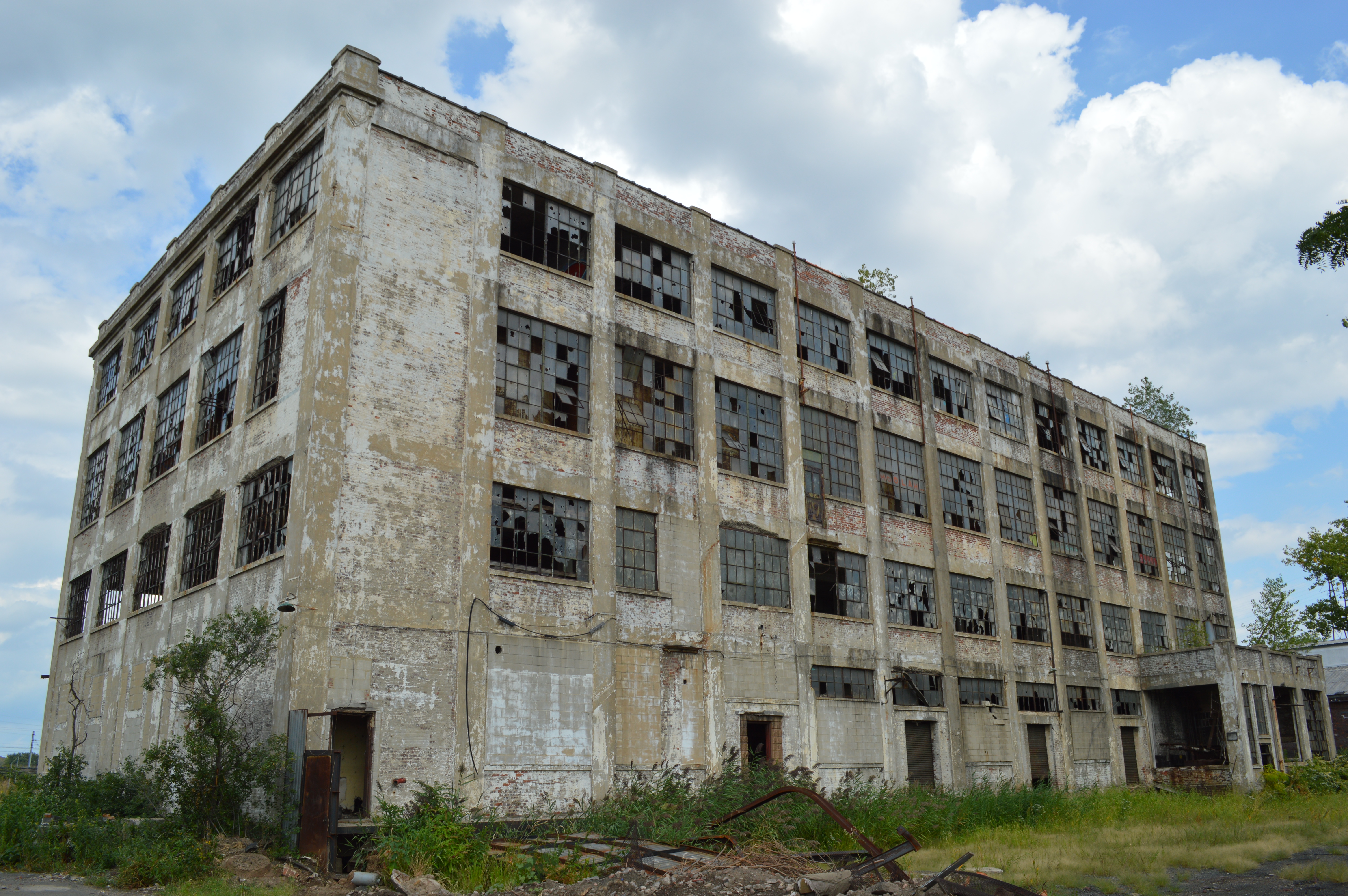
On The shores of the polluted Passaic River, on a plot of city owned land, sits a small abandoned factory. Back in its day, it was owned by International Metallurgical Services, and was most likely used to produce ethanol for the company’s other, more metallurgical uses. One aspect of the ethanol production that went on here was the addition of highly toxic methanol, which can cause damage to the central nervous system. Clearly this factory was using quite a lot of toxic chemicals, as it is is now an EPA brownfields site due to contamination by it’s many years of industrial discharge. There is little information on the history of this factory. Please contact me if you have more details.
DSC_0562

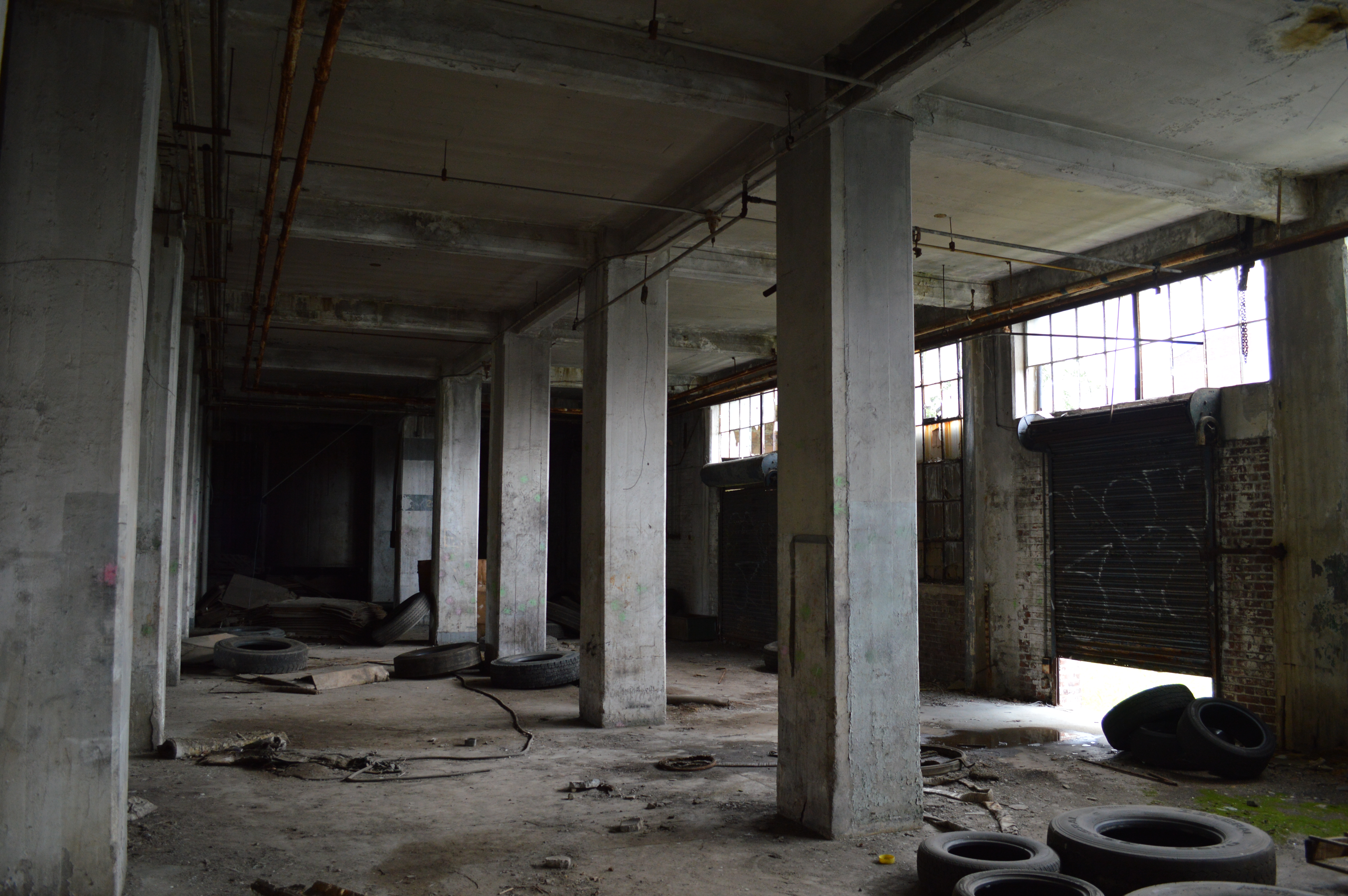
My exploration of the building started with a quick look for entry points, of which there turned out to be many. Passing a fallen stack of tires that i assume were intended to block out explorers like me, i proceeded into the dark remains of a reception area and offices. Past here was the loading dock, where trucks would pull up to load and unload materials and finished product.

DSC_0473
Old tires in the floor of the loading bay

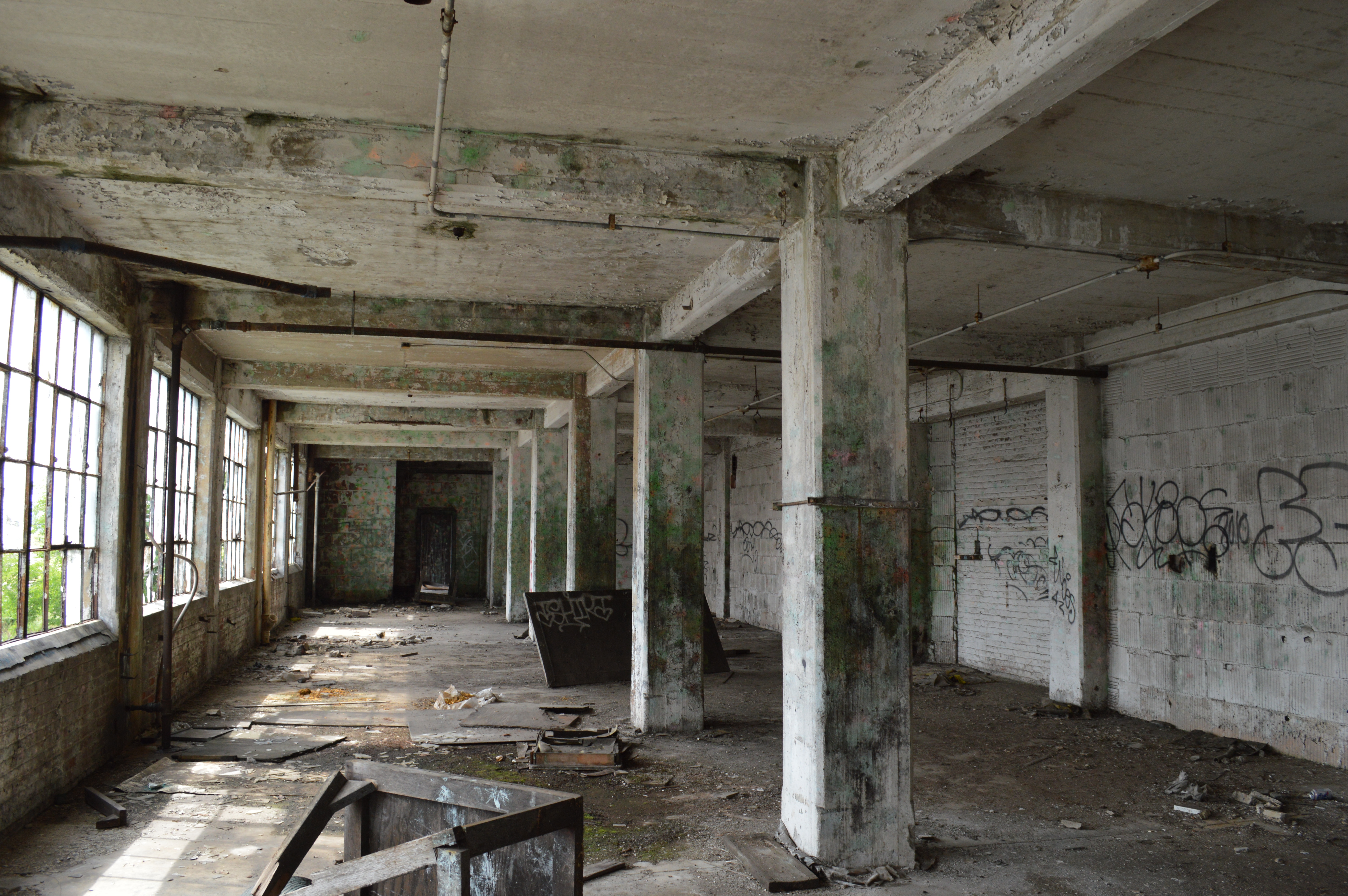
Next, it was up the crumbling stairs to floor 2. Floor 2 was void of machinery and other significant objects, so it was probably used for storage, or maybe packaging There were some areas of floor 2 that were fenced off, I have no idea why…

DSC_0486
Floor 2 gloom

DSC_0492
Floor 2 Hallway

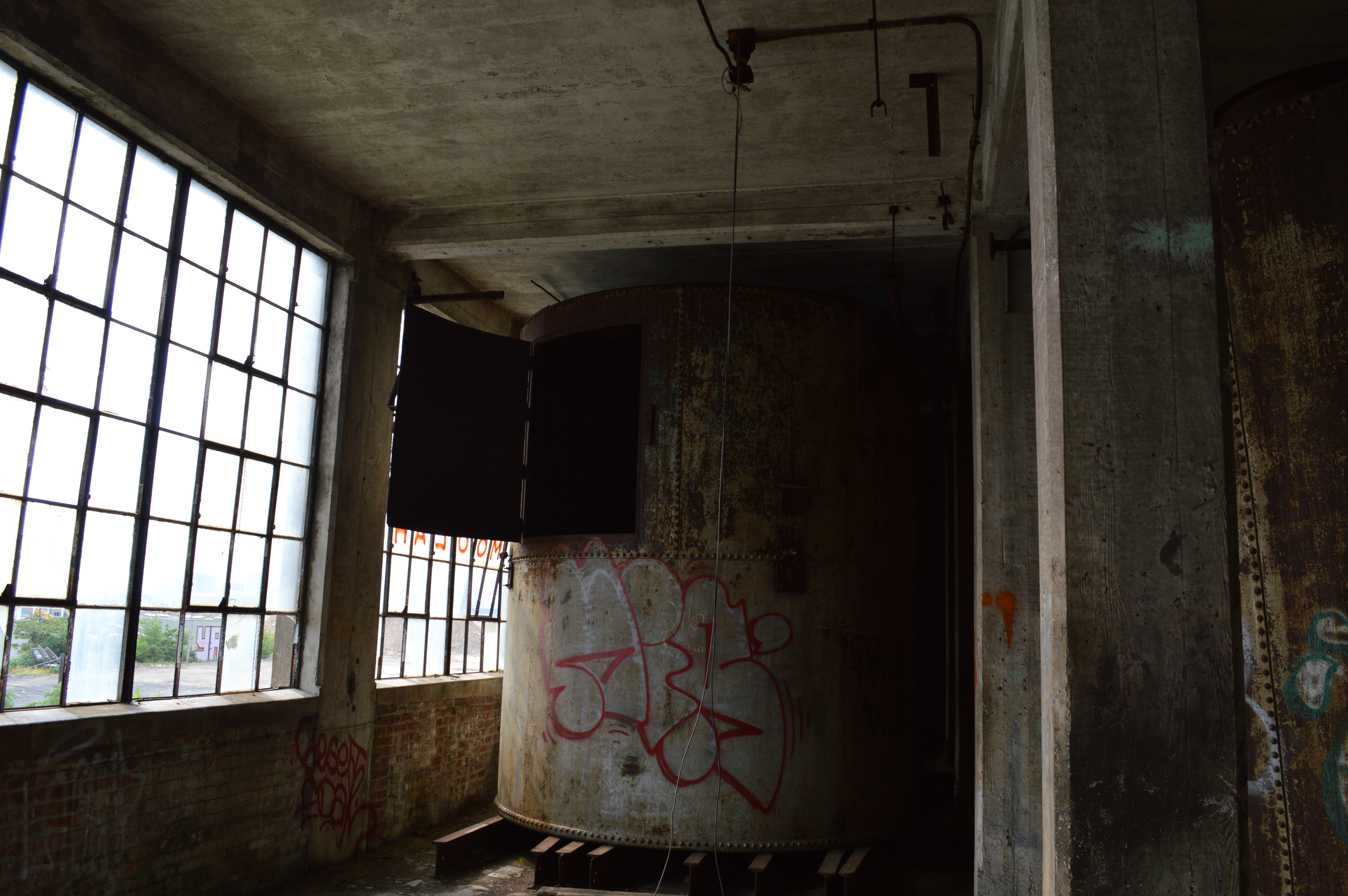
Floor 3 was filled with multiple, huge vats, packed tightly together in a confined space. Navigating these vats was like solving a maze, walking over old boards that previous explorers had left behind as makeshift bridges over uneven floors. Eventually, the seemingly endless vats ended, and I reached a small, open space.

DSC_0517
There were many more massive vats behind this one

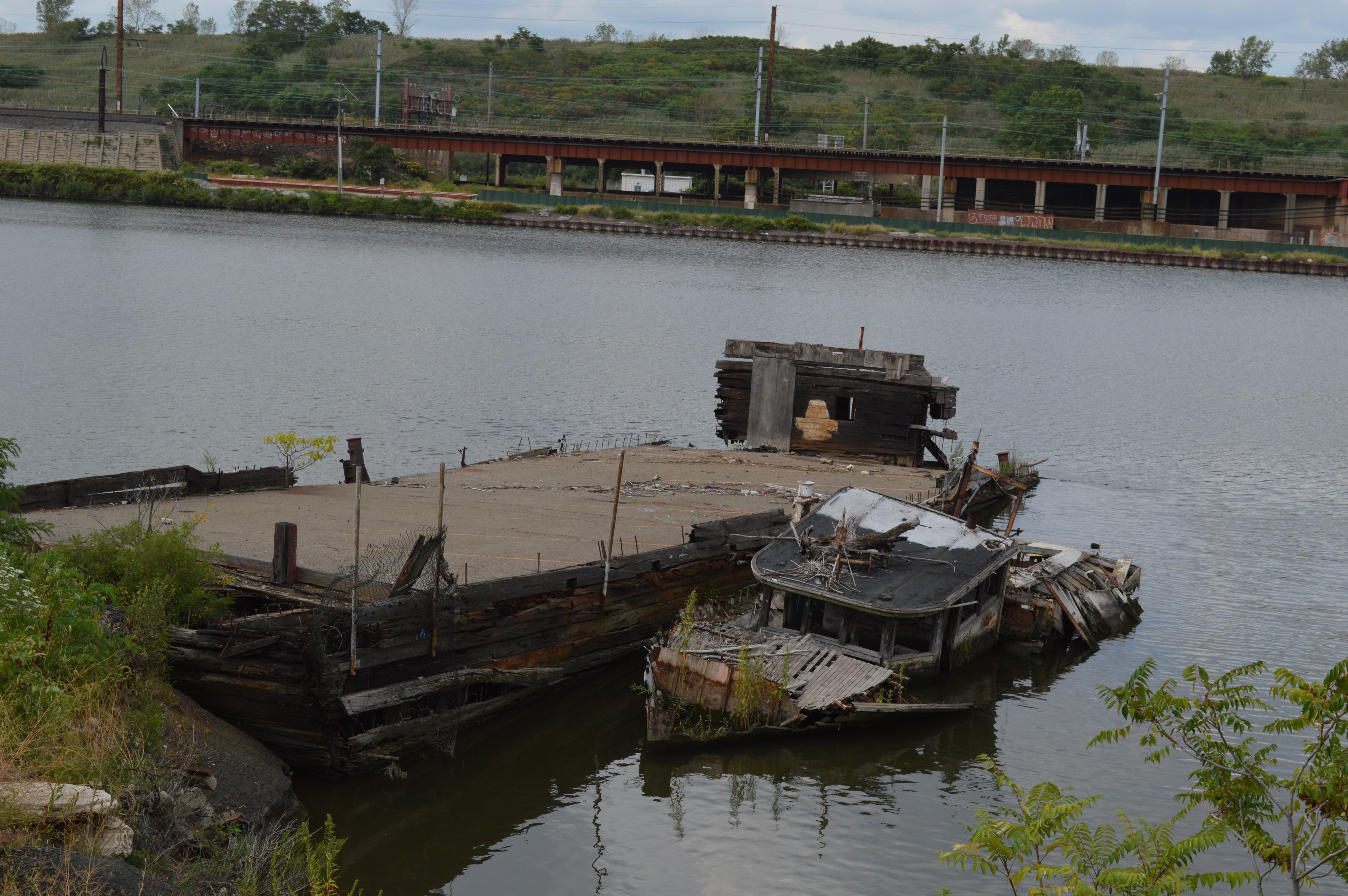
Floor 4 had some ruined furnishings, including shelves and strange machines that i couldn’t figure out at all. After taking some more photos and trying(unsuccessfully) to find a way to the roof, i headed back down the stairs and out of the building. Right outside are a sunken barge and tugboat, which probably served together ferrying trucks and cars along the river. Now they rest together, rotting away into the foul mud of the Passaic.

DSC_0505
Tugboat and barge

If you plan to visit the Newark Denaturing Plant, please wear a respirator, gloves, and other safety equipment. The chemicals used in manufacturing here are nowhere near gone.

Thanks for the read!